Debunking Offshore Firm Formations: Exactly How They Run and What to Anticipate
Offshore firm formations can seem complicated and enigmatic. Offshore Company Formations. These entities, usually established for tax obligation advantages and personal privacy, operate under one-of-a-kind lawful structures. Entrepreneurs might find themselves maneuvering via a puzzle of laws and conformity needs. Recognizing the intricacies is essential for success. What are the real advantages? What are the prospective challenges? A closer assessment reveals the subtleties that might affect decision-making substantially
Recognizing Offshore Business: Kinds and definitions
Offshore companies are entities established in a territory outside of an individual's or service's key nation of house, frequently for functions connected to tax optimization, possession protection, or regulative advantages. These business can take various kinds, consisting of minimal responsibility business (LLCs), worldwide company companies (IBCs), and offshore trusts. Each type offers details features and interest different requirements.
Limited liability companies give proprietors with protection from personal obligation, while international company companies are preferred for their flexibility and minimal reporting demands. Offshore trusts, on the various other hand, are used mostly for estate preparation and property defense.
The choice of jurisdiction considerably influences the company's operations, as some locations use extra desirable lawful frameworks and privacy securities. Offshore Company Formations. Recognizing the differences in between these kinds is vital for businesses and people considering overseas structures, as each choice carries various ramifications for administration and conformity
The Benefits of Developing an Offshore Company
Establishing an overseas company can give various benefits, particularly for those looking for to boost their financial approaches and shield their possessions. One significant advantage is tax obligation optimization; numerous jurisdictions use desirable tax prices or exceptions, allowing services to keep even more revenues. Additionally, overseas companies can provide a layer of personal privacy, securing the identities of proprietors and shareholders from public examination.
One more benefit is property defense. By placing assets in an offshore entity, individuals can secure their riches from possible lawful claims or political instability in their home nations. This structure likewise facilitates worldwide company operations, allowing simpler accessibility to varied clients and worldwide markets.
In addition, the establishment of an overseas business can enhance integrity and stature, attracting clients who value global service practices. On the whole, these benefits make offshore business formations an attractive alternative for businesses and people aiming for economic growth and safety and security.
Secret Considerations Prior To Forming an Offshore Entity
Before forming an offshore entity, a number of critical aspects must be assessed. Legal compliance needs, tax implications and benefits, as well as jurisdiction selection, play a considerable role in the decision-making procedure. Recognizing these factors to consider can aid individuals and companies browse the complexities of offshore business formations properly.

Legal Conformity Requirements
When taking into consideration the formation of an offshore entity, comprehending lawful compliance requirements is vital to guarantee adherence to both neighborhood and worldwide legislations. Possible local business owner should familiarize themselves with guidelines controling business enrollment, reporting obligations, and operational standards in the selected territory. This includes confirming the legal requirements for investors and directors, as well as ensuring conformity with anti-money laundering (AML) and know-your-customer (KYC) policies. Additionally, companies should remain conscious of any kind of licensing demands details to their industry. Involving local lawful and economists can supply useful insights, ensuring that all needed paperwork is prepared and submitted appropriately. Inevitably, thorough expertise of legal conformity helps alleviate threats and fosters a sustainable overseas procedure.
Tax Obligation Implications and Benefits
Many entrepreneur consider the tax ramifications and advantages of creating an offshore entity as a vital consider their decision-making procedure. Offshore companies can offer considerable tax advantages, such as lowered corporate tax obligation prices, exemption from particular neighborhood taxes, and the capacity to defer tax obligations on foreign income. These benefits can result in enhanced success and money flow, making overseas structures appealing for worldwide service procedures. In addition, the capacity for tax obligation treaties might further lessen tax obligation liabilities. However, it is necessary for entrepreneur to understand the intricacies involved, consisting of compliance with both global and regional tax laws. Involving with tax obligation professionals is recommended to browse these details successfully and assure suitable tax planning approaches.
Territory Selection Aspects
What elements should one consider when picking a jurisdiction for overseas business development? Secret considerations consist of tax efficiency, governing environment, and political security. Jurisdictions with positive tax regimens can substantially affect productivity. The regulative landscape needs to supply versatility and convenience of compliance, permitting effective organization operations. Political security is crucial, as it ensures the safety and security of assets and continuity of operations. In addition, the reputation of the territory can influence customer trust fund and service relationships. Access to banking solutions and the schedule of professional support solutions are additionally important. Understanding neighborhood legislations relating to privacy, possession, and coverage requirements is important to establish that the offshore entity lines up with the company owner's objectives and lawful obligations.
Possession The Refine of Establishing an Offshore Company
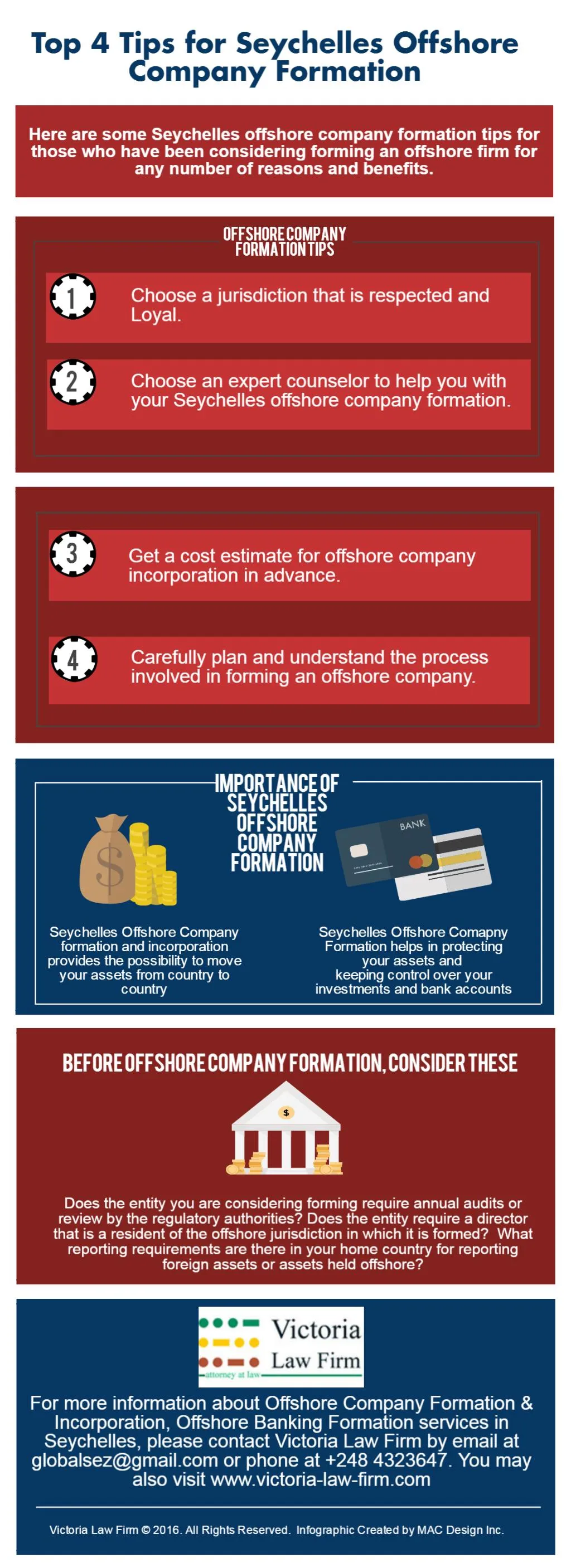
Establishing an overseas firm entails a collection of calculated steps that require careful preparation and compliance with international laws. Originally, a private have to select an ideal territory that aligns with their business purposes and uses beneficial tax benefits. Complying with jurisdiction option, the following action is to pick an one-of-a-kind firm name and prepare the necessary documentation, including short articles of unification and shareholder contracts.
When the paperwork prepares, it has to be sent to the relevant authorities in addition to the needed costs. After approval, the firm will receive a certificate of consolidation, formally developing its lawful existence. The individual have to then open a business savings account to promote financial transactions.
Preserving an offshore company includes sticking to ongoing compliance needs, such as yearly reporting and tax obligation responsibilities, which differ by territory. For that reason, recognizing each action is necessary for an effective overseas company formation.
Lawful and Governing Framework for Offshore Firms
While developing an overseas firm can supply considerable benefits, it is necessary to steer via the intricate legal and regulatory structure that regulates such entities. Each jurisdiction has its very own collection of laws that determine everything from firm development to taxes and compliance demands. These policies are designed to avoid illegal activities, such as cash laundering and tax obligation evasion, and often require detailed documentation and openness.
Trick components of this framework consist of the need of designating neighborhood supervisors, preserving a licensed office, and adhering to annual coverage commitments. Furthermore, several territories impose specific licensing requirements for particular company tasks. Understanding these legal terms is critical for making sure compliance and mitigating dangers linked with penalties or legal conflicts. Involving with legal specialists who specialize in offshore business can assist in navigating via this intricate landscape, eventually facilitating a effective and compliant offshore organization operation.
Typical Misunderstandings Regarding Offshore Firms
Many people hold false impressions about offshore firms, often corresponding them with tax obligation evasion and prohibited tasks. It is important to recognize that these entities can run legitimately within a framework developed for legit company practices. Making clear the legal status of offshore companies can help dispel these myths and promote a more accurate understanding of their objective.
Tax Obligation Evasion Myths
In spite of the growing popularity of offshore companies, mistaken beliefs concerning their usage for tax obligation evasion persist. Numerous people mistakenly believe that developing an overseas entity is entirely a method to prevent taxes. Offshore firms are resource commonly used for genuine purposes, such as possession protection, international organization growth, and investment diversification. The understanding that all overseas activities correspond to illicit tax evasion forgets the complexities of international tax obligation guidelines and compliance needs. Furthermore, the vast bulk of offshore territories have carried out procedures to combat tax obligation evasion, promoting openness and information exchange. This mischaracterization can hinder genuine businesses and capitalists from exploring the possible benefits of offshore business formations while perpetuating an adverse stigma surrounding these entities.
Lawful Status Clarified
The legal condition of overseas business is frequently misinterpreted, causing a selection of false impressions. Many believe these entities run in a lawful gray area, presuming they are inherently prohibited or underhanded. In fact, offshore firms are legitimate organizations developed under the laws of certain territories, developed for numerous factors, including property protection and market expansion. One more usual misunderstanding is that offshore business avert tax obligations totally; nonetheless, they undergo the guidelines and tax commitments of their home nations. Furthermore, some people think that offshore companies can be easily exploited for money laundering or unlawful activities. While misuse can happen, a lot of territories enforce stringent compliance and transparency legislations to alleviate such dangers, making certain that overseas companies operate within legal structures.

Managing and Operating Your Offshore Company Properly
Successfully managing and operating an overseas firm requires a tactical technique that stabilizes conformity with regional laws and the pursuit of service objectives. Successful offshore monitoring involves recognizing the jurisdiction's tax legislations, reporting demands, and functional regulations. Using local professionals, such as accounting professionals and lawful advisors, can offer very useful insights into traversing these complexities.
Furthermore, establishing clear communication channels and functional methods is important for maintaining efficiency. Making use of modern technology for task administration and cooperation can improve performance, while normal performance examines warranty placement with tactical goals.
Additionally, keeping durable monetary records is crucial, as openness fosters depend on with stakeholders and abide by international requirements. Lastly, being versatile to modifications in regulations or market conditions permits overseas companies to pivot efficiently, guaranteeing long-term sustainability and growth. By adhering to these concepts, local business owner can make the most of the advantages of their offshore endeavors while mitigating dangers.
Regularly Asked Concerns
Just how Much Does It Price to Maintain an Offshore Firm Every Year?
The expense have a peek at this site to maintain an overseas company every year varies substantially, normally ranging from $1,000 to $5,000, relying on jurisdiction, services called for, and compliance commitments. It is vital to consider added charges for specific demands.
Can I Open Up a Savings Account for My Offshore Business From Another Location?
Opening a financial institution account for an offshore firm remotely is normally feasible. However, demands might vary by jurisdiction, usually requiring documents and confirmation processes, which can complicate the remote application experience for people.
Exist Certain Nations Recognized for Easier Offshore Business Formations?
Specific nations, such as Belize, Seychelles, and the British Virgin Islands, are renowned for their structured processes and positive policies relating to overseas business developments, drawing in entrepreneurs looking for performance and discretion in organization operations.
What Kinds of Companies Are Best Matched for Offshore Firms?
Specific organizations, such as consultancy, shopping, and investment companies, usually gain from offshore companies because of tax obligation benefits, privacy, and regulative versatility - Offshore Company Formations. These entities commonly thrive in jurisdictions that promote desirable company settings
Just How Can I Make Certain Compliance With Local Legislations When Running Offshore?
To assure conformity with regional regulations when operating offshore, it is important to involve legal professionals, perform complete go to this site research study on territory policies, and preserve transparent monetary documents, thus decreasing risks linked with non-compliance.